
Freshness in coffee is not a marketing word. It is a measurable, fast-moving chemical window, and most of it closes long before a bag reaches a shelf.
What “fresh” actually means
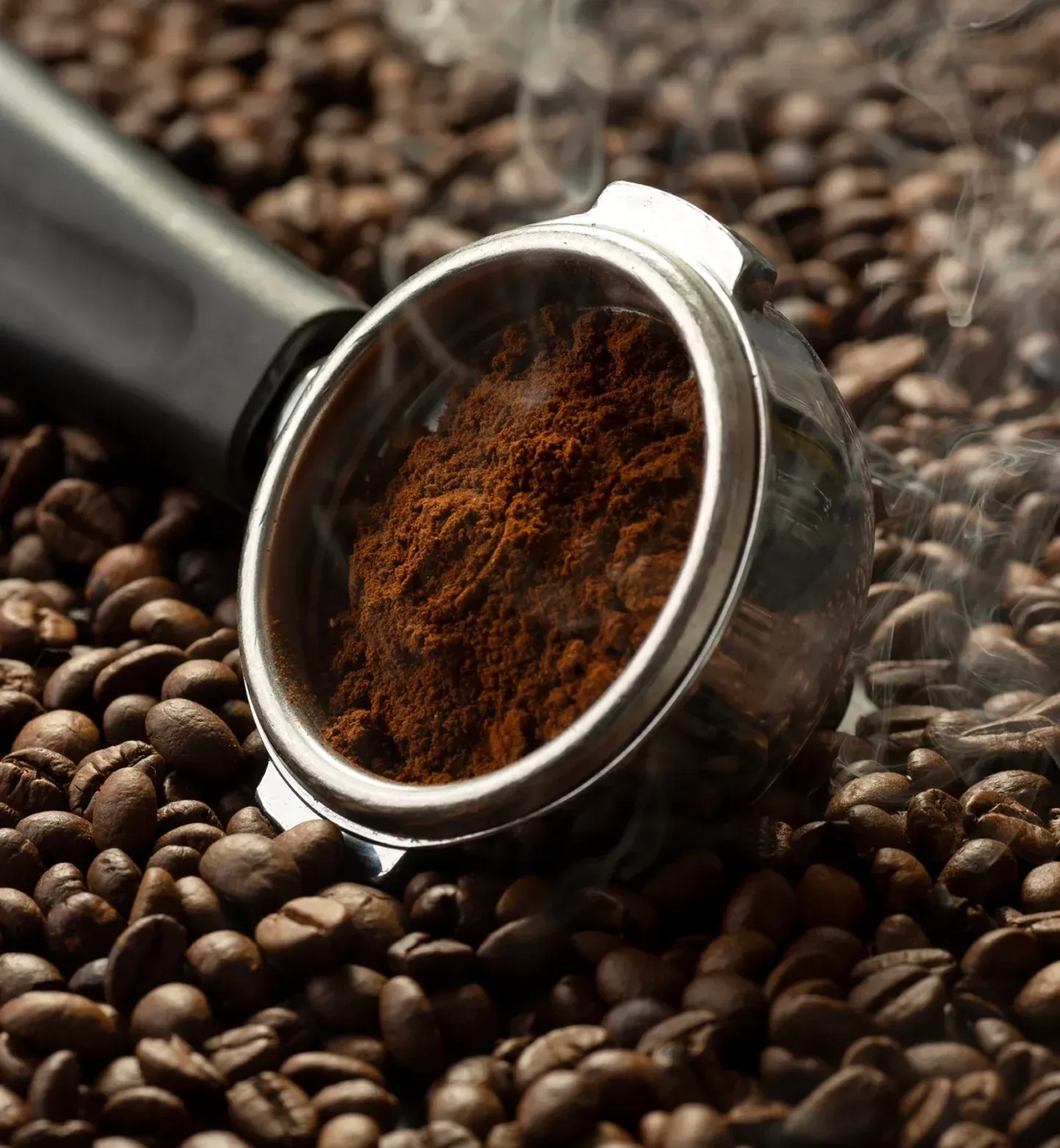
Roasting drives carbon dioxide into the bean. Over the following days that gas escapes, carrying aromatic oils with it. Between roughly four and twenty-one days after roast, the bean has released enough CO₂ to brew evenly while still holding the compounds that make it taste like something.
Reading a roast date
A roast date is the only date that matters. A best-before date twelve months out tells you nothing except that the coffee will still be technically drinkable — which is not the same as good. Every bag we sell carries the day it left the drum.
Storing what you buy
Keep beans whole, in an opaque airtight container, at room temperature. The freezer is a legitimate option for long storage, but only unopened and only once — condensation on a thawed bean does more damage than a week on the counter.